Ten months ago, at the start of the Covid pandemic, I wrote the article The coronavirus, or when the Earth and humanity fall victim to burnout! Since then, we have been through so much that we could never have imagined, and yet, in essence, that article remains as relevant as ever, given what we are experiencing today.
Since the end of the so-called winter truce and the resumption of school and work, I have been approached and consulted on a daily basis by a growing number of people who are feeling unwell, despite never having experienced any particular difficulties before.
In the space of two weeks - something that had never happened before - I have had to advise more than ten people to seek help from a mental health professional (psychologist, doctor, psychiatrist). They were showing severe and worrying signs of depression and/or psychological exhaustion, which were beyond my area of expertise and required appropriate medical follow-up and care.
These people are suffering enormously, as collateral victims of the health measures put in place: the loss of social contact, working from home, hybrid schooling, isolation, and the pervasive nature of a virtual and formal “always-connected” world.
No age group or social category has been spared: children, teenagers, students, adults, office workers, manual workers, business owners, the self-employed, managers, the elderly…
So what can be done?
- Separate and distinguish as much as possible between your academic/professional life (environment and timetables) and your private life.
- Reclaim a space (indoors or outdoors) that offers peace, comfort and wellbeing - a place where you feel safe.
- Distance yourself from sources of anxiety, and at the end of your day, consciously reflect on all the positive events of the day, however small they may be. There are far more of them than you realise!
- Surround yourself with positive people who, rather than focusing on failure, see the opportunity for experience as a springboard and a driving force for action.
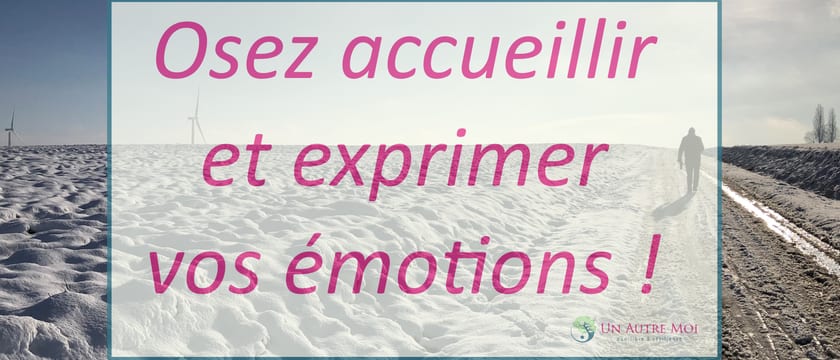
- But above all, whatever they may be, listen to, accept, analyse and express your emotions! What do they mean? What message are they sending you?
What isn’t expressed becomes ingrained.
An emotion is a feeling experienced at a specific moment, like a warning light on your car’s dashboard. It is very often a warning sign of an imbalance or a problem.
If, after an emotion has passed, the feeling it has generated persists, it represents a value or a need that has not been respected or satisfied.
If left unexpressed, these emotions can lead - both on an individual and societal level - to complications, severe depression, abuses that erode freedom, or even tragic situations…
In these unusual times, it is therefore all the more vital to pay attention to our sensory alerts, our feelings, emotions and sentiments, and to express them in whatever way we can - whether through speech or indirectly, through writing, music, drawing, painting, sculpture, dance, film…
Art has come under such pressure of late, and one might well ask why?
Art, whatever its form - and sport is part of that - is an essential prerequisite for our personal and societal resilience.
According to Boris Cyrulnik, a neuropsychiatrist who has popularised the concept: “Resilience is an individual’s ability to resume personal development after experiencing trauma”.
In my view, this definition can also apply to a society facing the current health crisis.
Be the artists of your own lives - for yourselves, of course, and for others!
However you choose, express yourselves; do not remain alone or isolated; rebuild connections; share your experiences; be an empathetic listener for others; stay open-minded; learn from yourselves and from others!
A partner, a colleague, a friend, a sibling, a parent, a doctor, a helpline, someone you trust, a blog, a song, a poem, an article, a video…
Don’t wait until you’re completely overwhelmed or at your wits’ end before speaking out…
Look after yourselves and others; be artists; express yourselves!