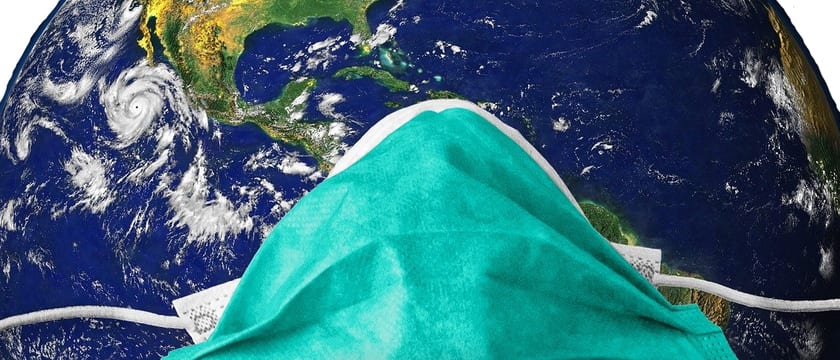
Since the start of the coronavirus (SARS-CoV-2) crisis, I have noticed quite a few similarities between this unprecedented health crisis and another pandemic: burnout. Today, on the third day of lockdown in Belgium, I would like to share a few thoughts with you, along with a message of hope. Just as burnout has been an opportunity for many sufferers to realise their true values and realign their lives, Covid-19 is an opportunity for humanity to respond.
The coronavirus (Covid-19) compared to burnout.
Let’s take a look, side by side, at the life cycle of burnout and the cycle of positive change that is now open to us, as citizens of the world.
The cause: too intense for too long.
Burnout syndrome is the consequence of “too much intensity for too long”. Those suffering from burnout collapse because, for too long - day after day, month after month, year after year - they have been drawing on their reserves and expending more energy than they have left, in complete disregard of their intrinsic values. One day, the body protests against their stubborn insistence on always doing more, always faster, always more intensely. Under too much pressure, the dam bursts all at once. They have no choice! They are forced to stop or risk dying - a self-defence mechanism of our body - resulting in utter exhaustion: burnout!
For many years now, our planet, the Earth, has been under strain due to our abusive behaviour. For decades, we have been using its resources far too intensively: water, forests, animals, people, oil, rare metals… All these resources - for what purpose? To satisfy a system that we believe has been imposed upon us, based on over-consumption, industrial over-productivity, excessive mobility, meaningless communication, planned obsolescence and maximum profit. In November 2019, in Wuhan, China, as if suffering from burnout, the dam gave way.
The warning signs.
Before suffering a burnout, the body sends messages and signals to draw attention to the fact that a malfunction is taking hold. (Irritability, fatigue, agitation, pain, insomnia, …). All those suffering from exhaustion ignore the symptoms that their ailing bodies send them.
The Earth is suffering, and yet, for many years now, it has been sending us messages to draw our attention to the fact that something is going wrong. All over the world, across all five continents, we have experienced unprecedented disasters in recent years: storms, droughts, fires and floods.
Denial.
When someone suffering from burnout reaches the point of exhaustion, they refuse to accept it. And when, after seeing a doctor, the fateful word “burnout” is uttered, they do not believe it. “Not me - I’m not like them; I’m stronger than that. The doctor’s got it wrong; I’m just tired. I’ll take a few days’ rest and I’ll be fine; I’ll bounce back,” he tells himself.
The Earth is running on empty, but humanity refuses to accept it. Just as the “burnout” sufferer’s few days’ rest are not enough, the few courageous initiatives (citizens’ marches, climate rallies, the Kyoto Protocol, COP, etc.) are not enough to allow humanity to “recover”.
Moreover, just as the person who is told they are suffering from exhaustion believes it cannot be true and that it only happens to other people, the vast majority of us as citizens, myself included, paid very little attention to the events unfolding in China or Italy, before they began to affect our own lives.
Anger.
The (only) way to overcome burnout is for the person affected to stop completely and take as long as necessary to recharge their batteries. Once the diagnosis has been made and the doctor has issued a mandatory sick note, the person suffering from burnout then realises the reality of their condition. A person suffering from burnout is very often angry; they rebel and feel a deep sense of injustice. They tend to blame a number of external factors, depending on whether the burnout is work-related or family-related (colleagues, boss, society, family, children, parents, partner), but certainly not themselves at first.
Like the stop ordered by the psychiatrist in a case of burnout, our governments took decisions a few days ago to stem the coronavirus pandemic: lockdown, resulting in the almost complete cessation of our usual activities. We have begun to realise the gravity of the pandemic we are facing; we were (and perhaps still are) angry. We have criticised and blamed China, Europe, governments, politicians, foreigners, migrants…
Negotiation.
Even if the person suffering from burnout is aware of their condition, they try to negotiate with their doctor, psychologist, psychiatrist or even themselves to find an alternative to a complete shutdown. Unfortunately, there isn’t one. Many people therefore alternate periods of sick leave with brief returns to work. By doing so, they put their health at increasing risk, making it harder and taking longer to recover from burnout.
Similarly, when governments introduced lockdown measures to limit the spread of the virus, many of us tried to find different interpretations of the safety guidelines issued, so as not to have to comply with them. By doing so, we took enormous risks to our health, making it all the more difficult and time-consuming to overcome the pandemic.
Fear.
When people suffering from exhaustion are forced to stop, many of them feel lost. They don’t know what to do. They are afraid. These hyperactive individuals, who were constantly on the go, are left alone with their own thoughts. They find themselves in an uncomfortable situation. They are out of their usual routine. Instead of recharging their batteries to combat this fear of the future - of no longer being “capable of” - many of them then seek to maintain control. They replicate at home the hyperactivity they displayed in their professional lives, such as through household chores or other tasks, even though there is no real urgency or necessity for these tasks.
When the first measures were introduced, many members of the public also felt uneasy about the situation. Faced with this uncontrollable fear, some sought to maintain control in their own way, for example by rushing into shops and clearing the shelves, even though the situation did not warrant it.
Resignation.
A person experiencing burnout very quickly realises that, whatever they do, they cannot achieve the result they want. So they let go.
Citizens, having gone through the previous stages, also let go and realise that it is better to comply with safety guidelines.
Acceptance.
The person suffering from exhaustion is aware of their condition and, finally and most importantly, accepts it. There is still a long way to go, but this is the start of the recovery process; they think of themselves, look after themselves and recharge their batteries. Little by little, they realise they are getting better. They receive positive feedback from those around her - a smile, a compliment.
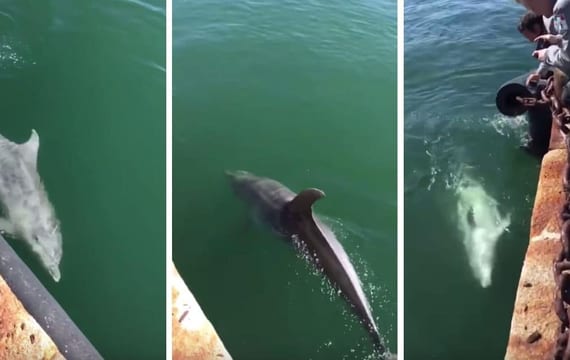
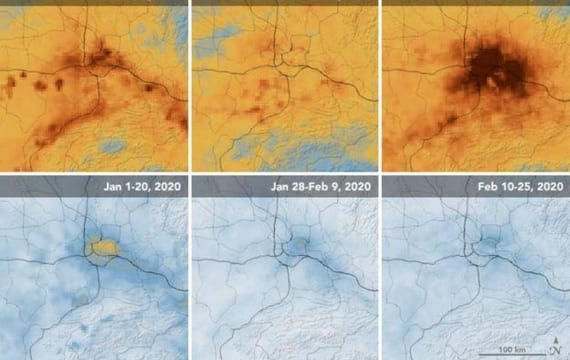
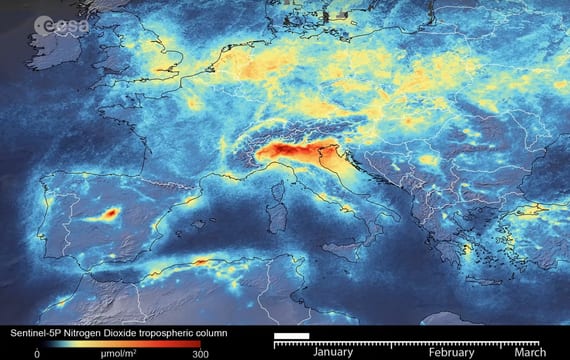
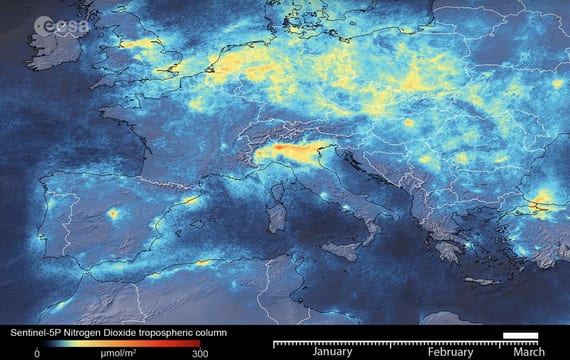
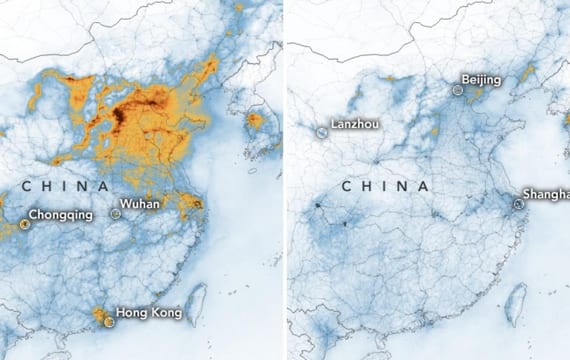
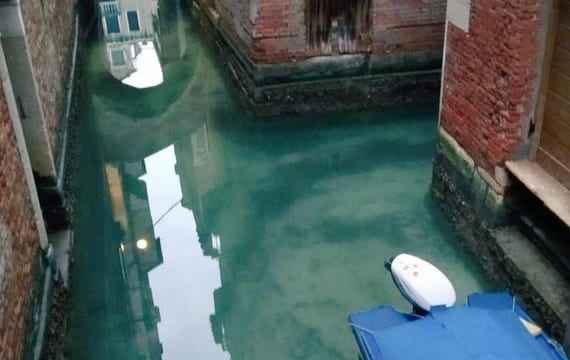
Humanity, I hope, is now aware of its condition and accepts it. We have not yet brought the pandemic under control, and there is still a long way to go. In China, the measures taken are proving effective in the fight against the spread of the virus. Let’s look after ourselves and our families. Solidarity is taking hold, and community initiatives are springing up all over the place. Collaboration is beginning to take precedence over competition. We are also receiving the first positive and encouraging signs from our common mother, the Earth. Satellite images from NASA and the ESA show us that the measures taken are also helping to reduce air pollution worldwide, both in China and in Europe. In Venice, the water in the canals is becoming crystal-clear once more and aquatic life is returning. This is also the case in Italy’s third-largest port, in Cagliari, through which more than 30 million tonnes of goods pass each year. In Paris, residents are surprised to hear birdsong once again.
The alternative.
In cases of exhaustion, when those suffering receive the first positive and encouraging signs, a choice between two alternatives presents itself:
The passive alternative.
The person suffering from burnout is content with the encouraging signs and reverts to their old habits, learning nothing from the experience. They choose comfort and the path that initially seems the easiest and quickest, but which, in the short or medium term, will lead them back into burnout. This burnout will be far more severe than the previous one and will take all the more time to recover from - if it is not fatal.
The proactive alternative.
The person suffering from exhaustion is attentive to the positive messages sent their way and regards what has happened to them - despite the trials and difficulties - as an opportunity. An opportunity to live, an opportunity to realign themselves, an opportunity to become aware of their values, which are all too often ignored and undermined by their actions. The path is certainly longer and less easy. It requires curiosity, rethinking, imagining, reinventing things in a different way, reorganising oneself, perhaps changing one’s lifestyle, showing solidarity and resilience - but at the end of the path lies happiness.
What choice will humanity (each and every one of us) make in the face of the experience we are currently going through?
Will we be able to choose the right path, so that such a catastrophe never happens again, or will we be like the dinosaurs, unable to adapt?
We all have the choice to be active or passive.
In the past, when facing burnout, I tried both approaches, one proving more successful than the other. Today, faced with the coronavirus and the future of humanity, I have no hesitation - my choice is already made. What about you?
Let’s look after ourselves, let’s look after our families, let’s look after our friends and loved ones, let’s look after our planet!
Let’s believe in humanity, let’s believe in resilience, let’s believe that anything is possible! Let’s believe in a better world and a restored balance.
Images taken from YouTube, Twitter and by Alexandra_Koch on Pixabay