As I mentioned in a previous article, when I suffered from burnout for the second time, my physical and mental health were at an all-time low. For over ten years, I had completely neglected myself in favour of my work, spending my days - and very often my nights - sitting at my computer. I no longer did any physical activity whatsoever; I had reached a weight of 132 kilos - an extremely sedentary lifestyle which, like my obesity, was becoming increasingly morbid.
Rest.
For over a month, my days consisted of nothing but sleeping, sleeping and sleeping in complete darkness, and taking the antidepressants and anti-anxiety drugs prescribed by my psychiatrist (Xanax and Escitalopram, marketed in Belgium under the name Sipralexa). These caused me some rather unpleasant side effects, severe headaches, excessive sweating - to the point where I had to change my bed sheets every day - and, finally, further dampening my already low spirits, sexual dysfunction, erectile difficulties and problems reaching orgasm. So, after discussing it with my psychologist and psychiatrist, I decided to stop taking my psychotropic drugs and anti-anxiety medication and, on the advice of my pharmacist, to replace them with a dietary supplement, Grintax, and Bach Rescue Remedy. I am not a doctor, so I do not know whether these medicines or natural treatments are effective, or whether they simply had a placebo effect. One thing is certain: I remain convinced that, whatever medication you choose, it is essential - in order to see improvements - to refocus on yourself, to question your own behaviour, to seek support and to have a genuine desire to get better.
Recharge mode.
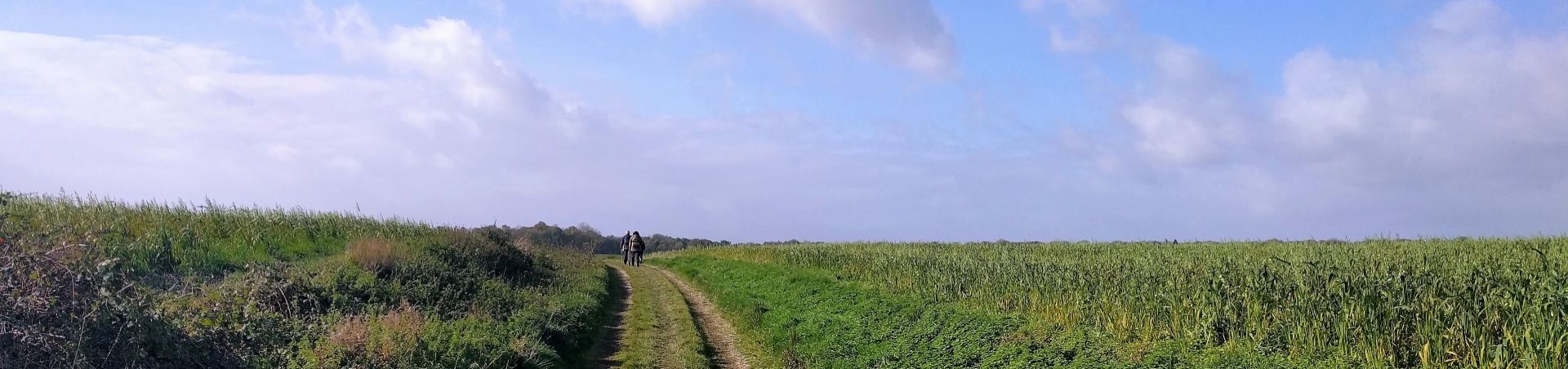
Little by little, my batteries recharged; I was still taking the odd nap during the day, but the urge to get moving had returned. I felt the need to find myself again. One morning, I left the darkness of my bedroom for the light of day; I put on a pair of old trainers - walking was calling to me, even though I’d never really done it or enjoyed it before.
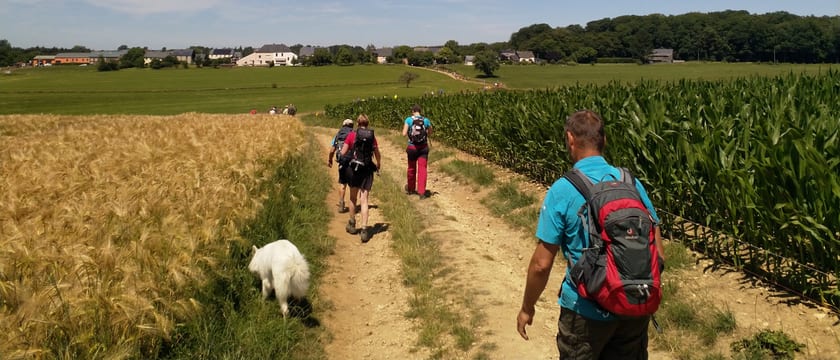
Step by step, I rediscovered nature and the simple pleasures: marvelling at the beauty of the landscapes, rediscovering the pleasure of silence broken only by birdsong and the sound of the wind, breathing in deeply the scent of the woodland, stopping to embrace a tree and draw in its energy.
The more I walked, the more I enjoyed it, and the more I felt myself coming back to life - to the point where I was walking almost every day, increasing the distances I covered week by week, rediscovering and spending more and more time with an old friend whom I had forgotten for far too long, “MYSELF”.
The desire to feel desire.
Week after week, I increasingly rediscovered the desire to want to do things; I felt better both mentally and physically. Walking became addictive for me, giving me a sense of well-being and positive tiredness. I started to lose weight. I could breathe properly again, whereas before I’d been out of breath at the slightest exertion. After a few months, imagine my surprise when my GP told me that my high blood pressure was improving.
In conclusion.
“Walking is the best medicine for mankind”, Hippocrates.
From my own personal experience, I can therefore confirm - just as the scientific literature does - that, when practised regularly,
- walking has an antidepressant effect: it lifts the spirits, reduces anxiety and depression by triggering the release of a number of hormones, notably endorphins, which provide a sense of well-being, as well as dopamine, the “pleasure hormone”, which reduces feelings of tiredness.
- Walking helps with weight loss when combined with a balanced diet.
- Walking tones the muscles without putting strain on the joints, which is particularly beneficial for people who are overweight.
- Walking strengthens our immune system and stimulates our blood circulation, which increases our oxygen supply - a benefit to our natural defences
- Walking reduces the risk of cardiovascular disease.
- Walking lowers blood pressure,
- walking helps us sleep better. It improves the various stages and cycles of sleep - and, I must emphasise, this is mainly the case if it is practised regularly, as it regulates the body’s internal clock and the production of serotonin, a hormone that plays an important role in sleep quality
This list is by no means exhaustive; we could add the benefits for osteoporosis and for improving physical fitness. It has no side effects and can be done very easily with just a pair of trainers.
The WHO (World Health Organisation) recommends doing at least the following each week: 150 minutes of moderate-intensity endurance activity or at least 75 minutes of vigorous-intensity endurance activity, or an equivalent combination of moderate- and vigorous-intensity activity. This recommendation is often simplified to walking 10,000 steps a day. Personally, having never walked before, I started by walking 1,000, then 2,000, then 3,000 steps a day, bit by bit.
So what are you waiting for? Believe in yourself, believe in love, believe in resilience, believe in the benefits of walking, put on your trainers and set off on the path to “Un Autre Moi”.
Please feel free to share your comments or questions via the “Un Autre Moi” Facebook page; I’ll be delighted to read them and reply.